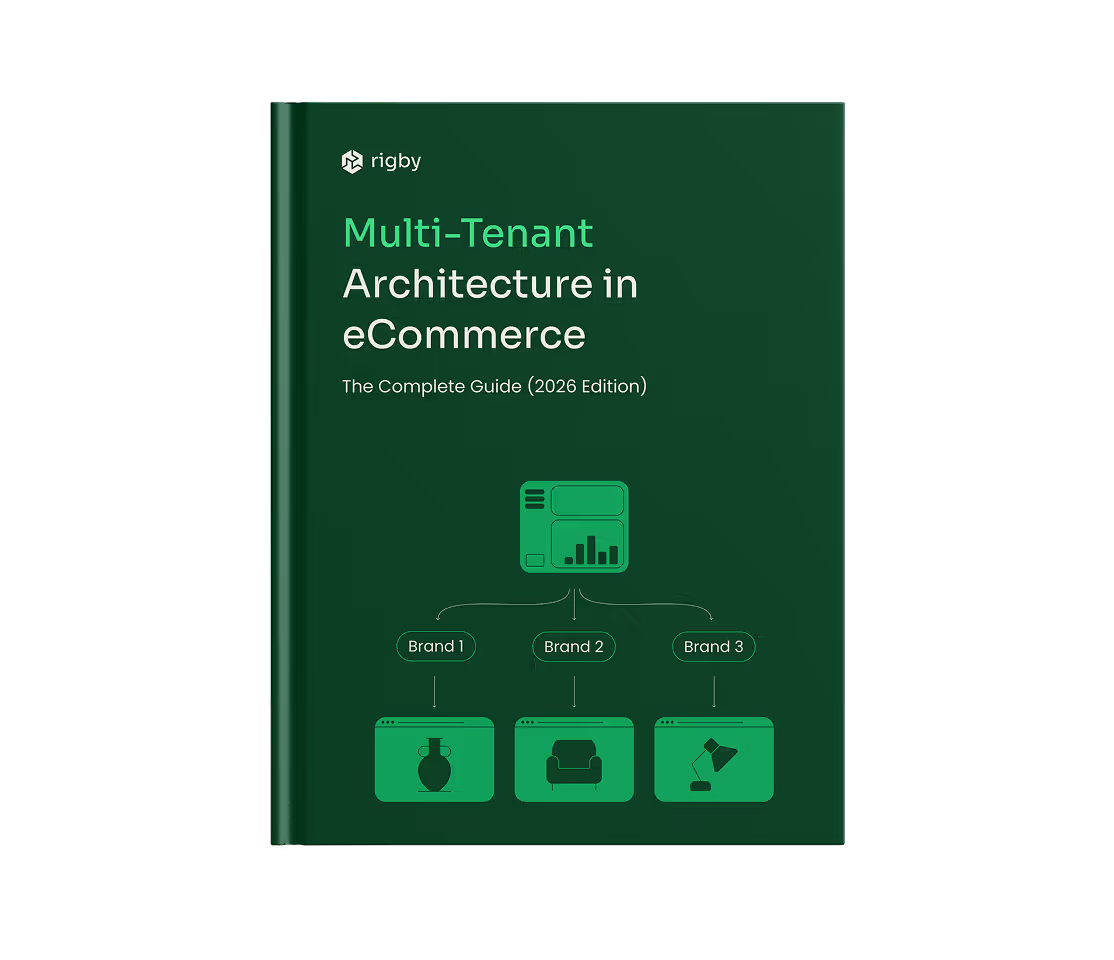
Learn how multi-tenant architecture helps you serve multiple entities without multiplying code or infrastructure.
What is multi-tenant architecture in eCommerce?
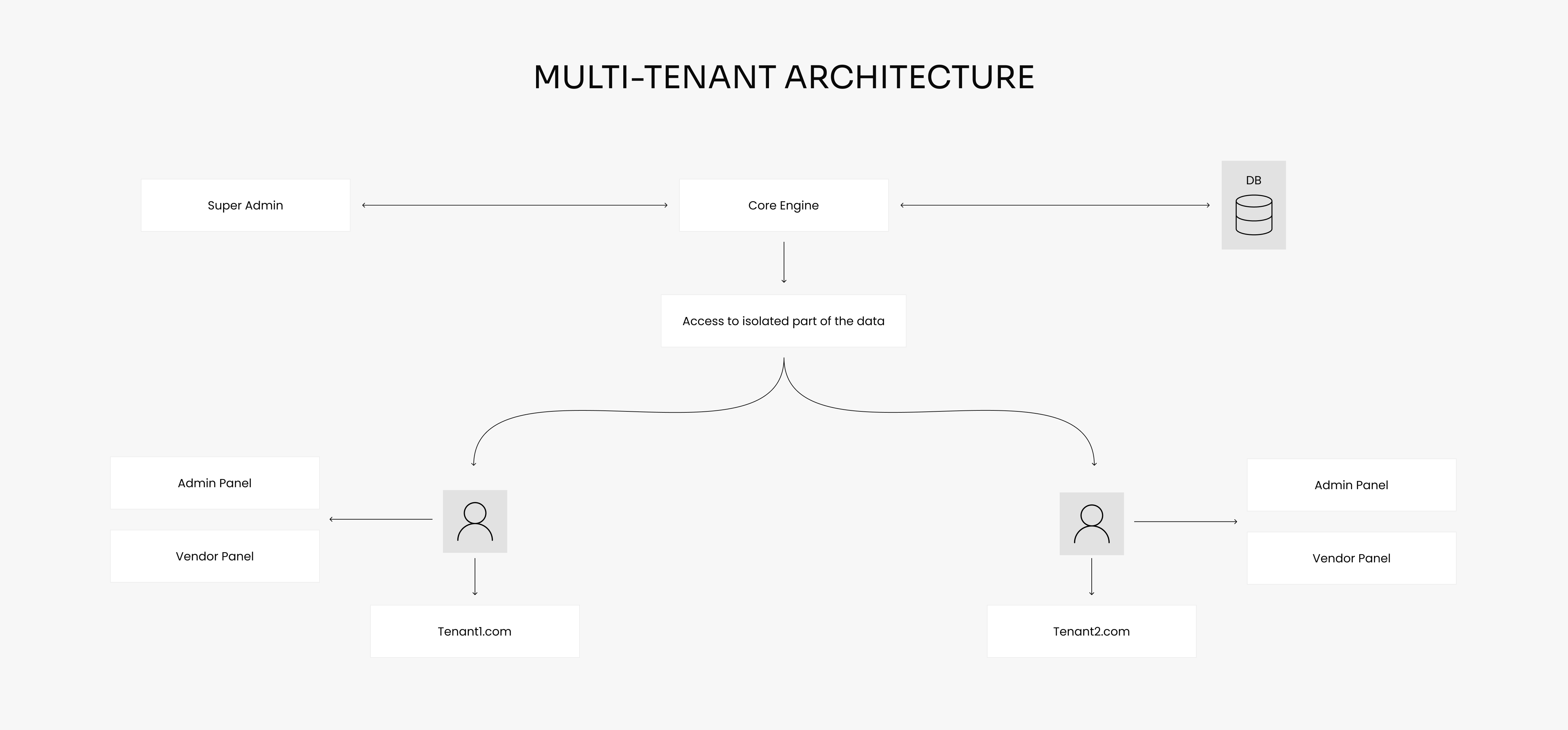
In eCommerce, multi-tenant architecture is a model where a single commerce engine serves many independent businesses at the same time. Each tenant behaves as if the system were built only for them, but under the hood, they all run on the same physical infrastructure. In modern cloud systems, multi tenancy architecture isolates tenant data and access while using resource sharing for compute, storage, and maintenance across all tenants.
Compared to single-tenant setups where each customer requires its own deployment, multi-tenant platforms offer clear advantages. Shared infrastructure & same resources lowers operational cost, and scaling becomes easier because the platform grows as a whole rather than provisioning new environments for every customer.
This approach is used across leading SaaS (software as a service) and eCommerce platforms, like Shopify or Rapid Data. With strong isolation and routing rules, a multi-tenant architecture can host dozens of independent tenants while maintaining predictable performance and stable operations.
What you'll find inside this eBook
- What is multi-tenant architecture and how it works
- Single-tenant vs multi-tenant: full comparison
- 4 core architectural models
- How to manage tenant isolation and data security
- Multi-tenant architecture example of eCommerce platform serving 1000+ storefronts
- How MedusaJS serves multiple tenants
- Why platforms like Shopify or BigCommerce hit limits
Why multi-tenancy architecture matters in eCommerce (2026+)
Multi-tenancy has become a core architectural requirement in commerce systems because modern businesses no longer operate a single store with a single backend. Most organizations run multiple brands, markets, or partner units that must function independently while still relying on shared infrastructure and centralized control.
- Scaling = more brands, more storefronts, more regions
- Multi-tenancy = cost-efficiency, speed, and centralized maintenance
- Avoid legacy pitfalls = don’t clone the same software application for every client
For a deeper dive into this model, see Section 2 of the guide!
Expand your business with multi-tenant architecture like others
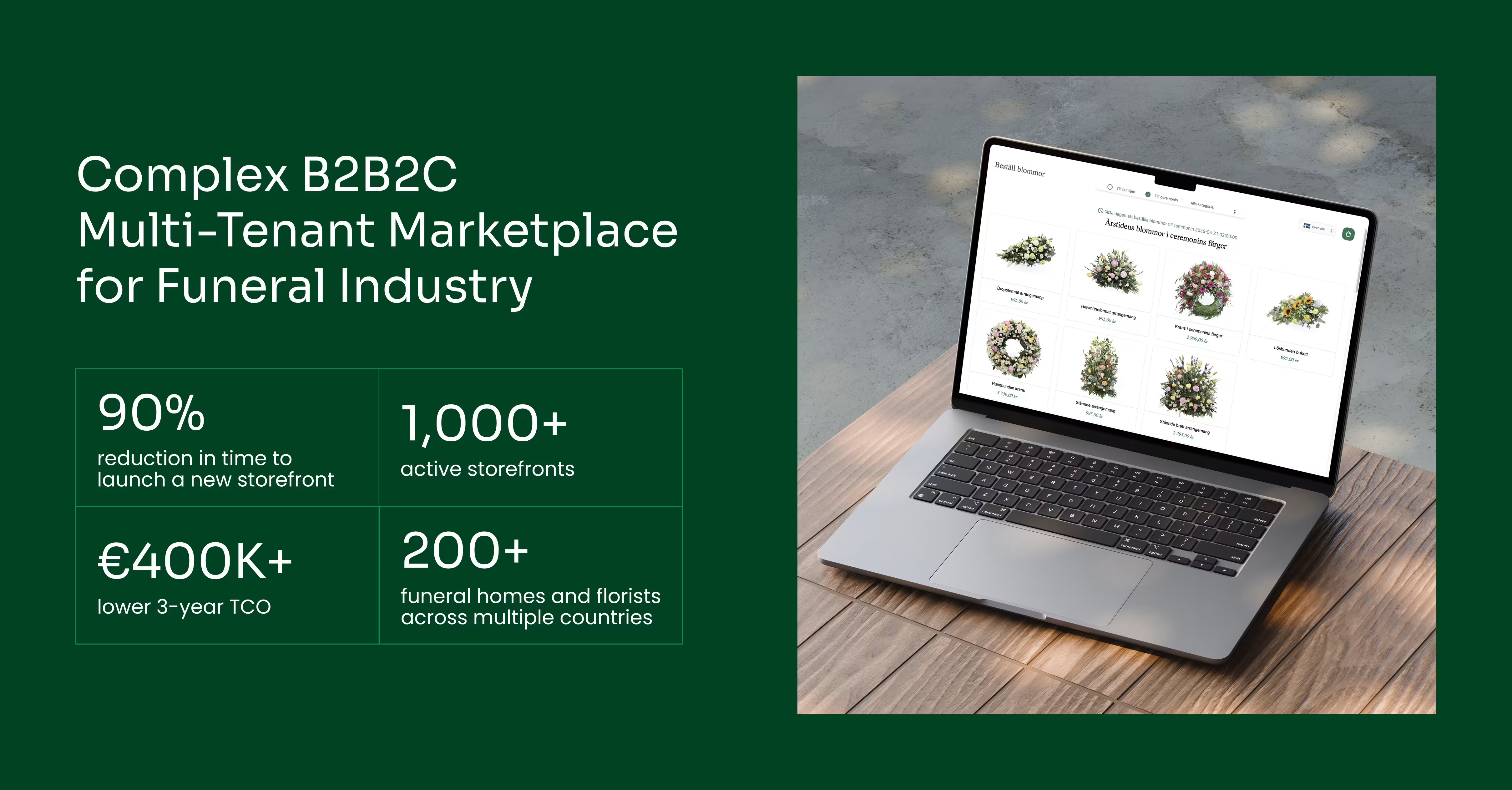
Learn how to run 1000+ stores on one engine. Check Section 7 of the guide!
Who is this guide for?
- CTOs and Heads of Engineering evaluating platforms for multi-tenant solution
- Solution Architects planning infrastructure for multi-brand rollouts
- Platform Operators running multiple instances or white-label stores
- SaaS Vendors looking to offer commerce to multi tenant applications
Multi-tenant vs single-tenant: Key differences
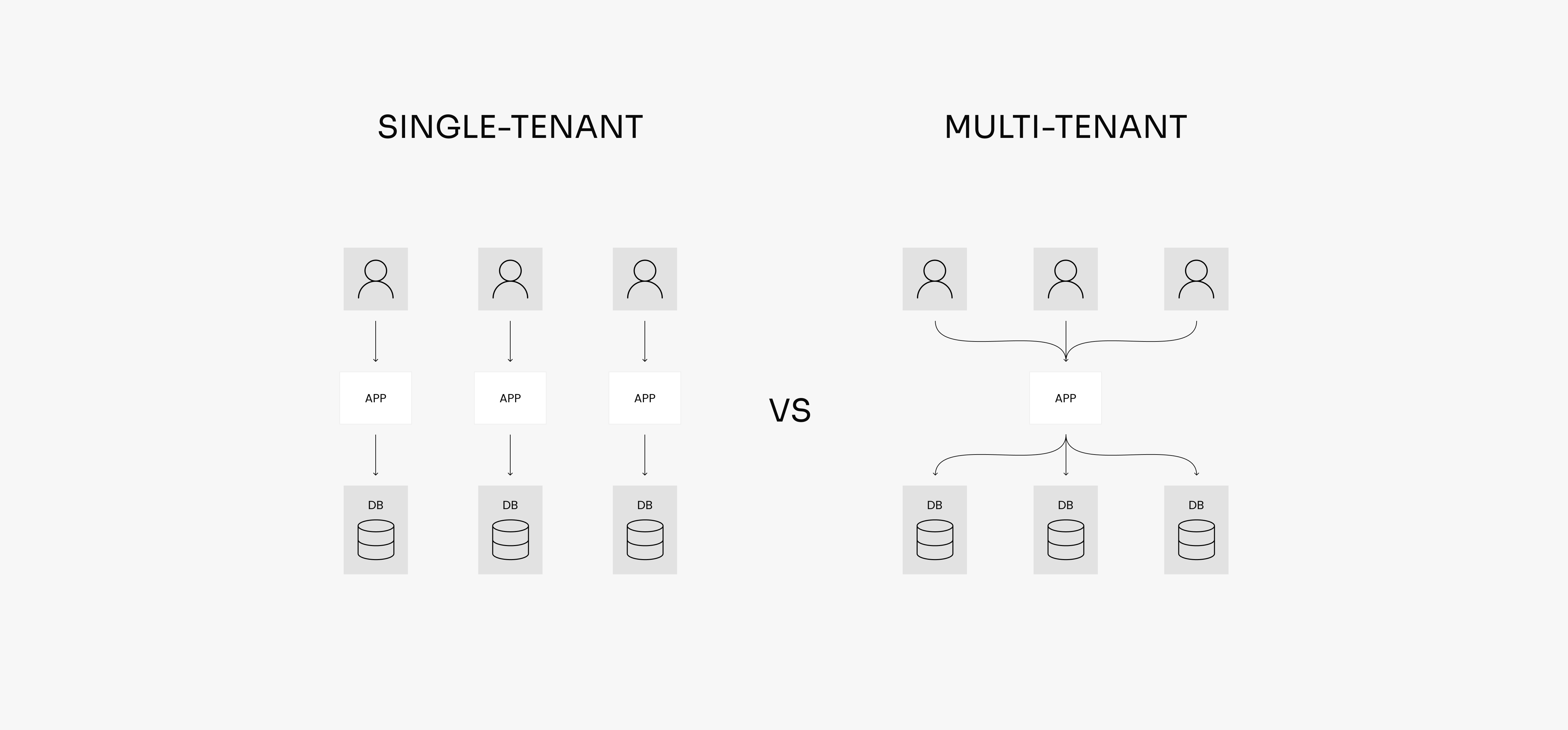
We break down these models in detail in Section 1 of the guide.
Bonus: Implement Multi-Tenancy in Medusa with PostgreSQL Row Level Security (Tech Guide)

We’ve also created a tech guide where you can explore how to implement database-level multi-tenancy in Medusa using PostgreSQL Row Level Security (RLS).
By following this tutorial, you will learn how to:
- Set up PostgreSQL Row Level Security for automatic tenant data isolation.
- Create a tenant context module that extracts tenant IDs from HTTP requests.
- Patch the Medusa framework to inject tenant context into all database queries.
- Configure RLS policies on database tables to enforce tenant isolation.
- Test multi-tenant data isolation with comprehensive integration tests.
- Set up a non-superuser database user required for RLS enforcement.